Educators, researchers, policy makers, and parents are spending a growing amount of time and money trying to address the United States’ steady, and at times drastic, decline in student reading achievement. A critical first step in solving any problem involves naming it. But instead of throwing disheartening stats at you about how reading scores have declined to the same levels witnessed 20 years ago, I’d like to start with a metaphor and share a real-world example of how literacy advocates and practitioners came together to embed early literacy into the 2026 Roots Picnic. This historic music festival attracted a record 80,000 attendees and featured a diverse musical line up that included The Roots, Erykah Badu, T.I., Brandy, De La Soul, Corinne Bailey Rae, DJ Jazzy Jeff, and Jay Z to name a few.
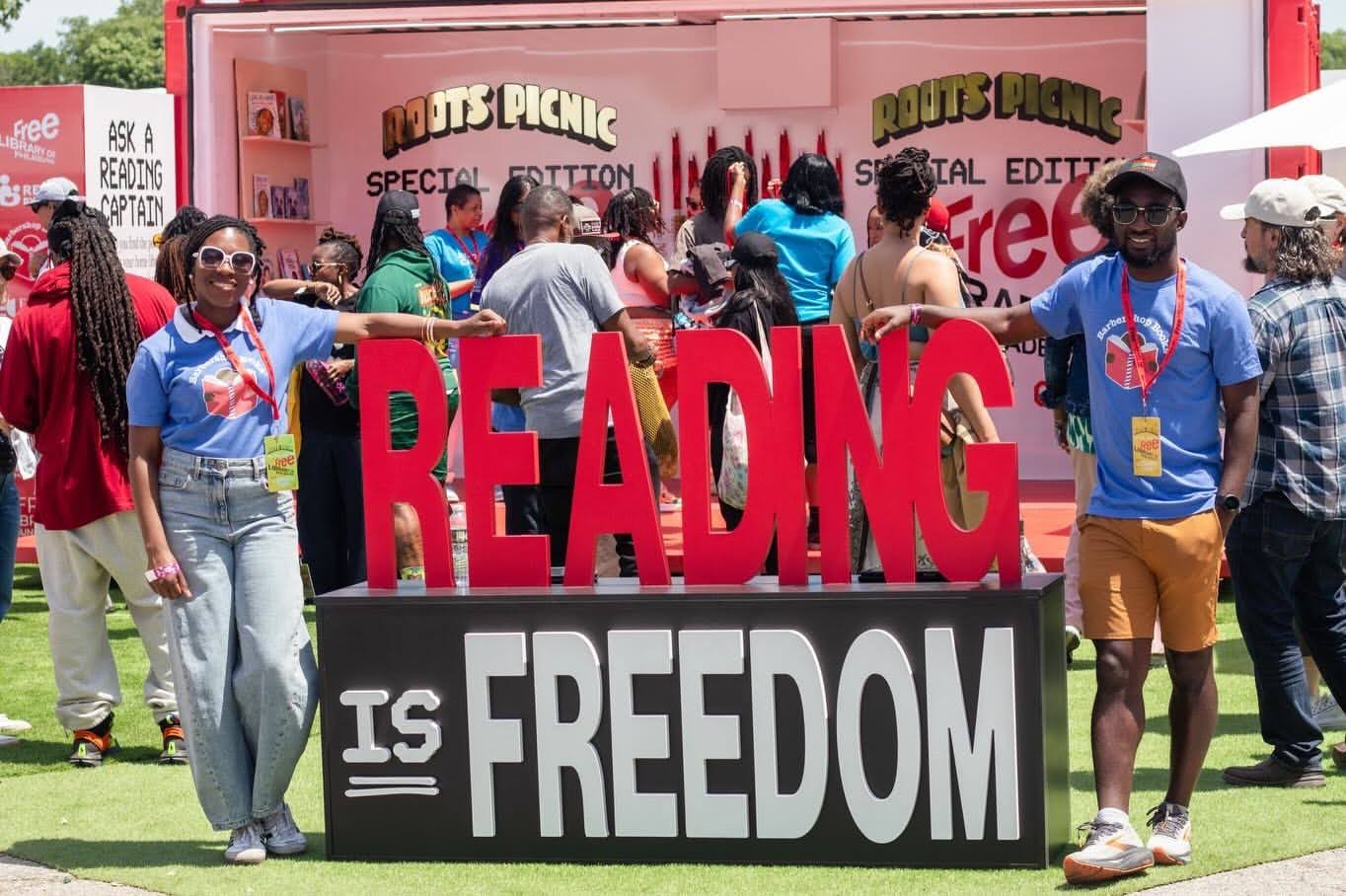
For a majority of America’s children (and adults), reading for fun and reading proficiency are both on the struggle bus and the bus has a flat tire, and the driver has cataracts. This unfortunate scene describes the enormous and seemingly intractable challenge our society currently faces in teaching most children to read well. The emerging threat to learning created by the offloading of cognitive tasks to large language models and other forms of Generative artificial intelligence makes the cultivation of often ignored social-emotional elements of literacy development like reading identity, motivation, and agency foundational competencies for today’s young learners. Strategies that link reading to culture and community in meaningful and memorable ways have the potential to change narratives about who reads and what reading can look like. Barbershop Books recently partnered with Emerson Collective, The Free Library of Philadelphia Foundation, the Pennsylvania Literacy Coalition, and other local literacy organizations on a literacy-themed activation entitled Reading is Freedom. This collaboration offers a concrete example of what impactful literacy programming and narrative change can look like.
Day One (Pre-festival Kickoff): Basketball, Books, and Fresh Cuts
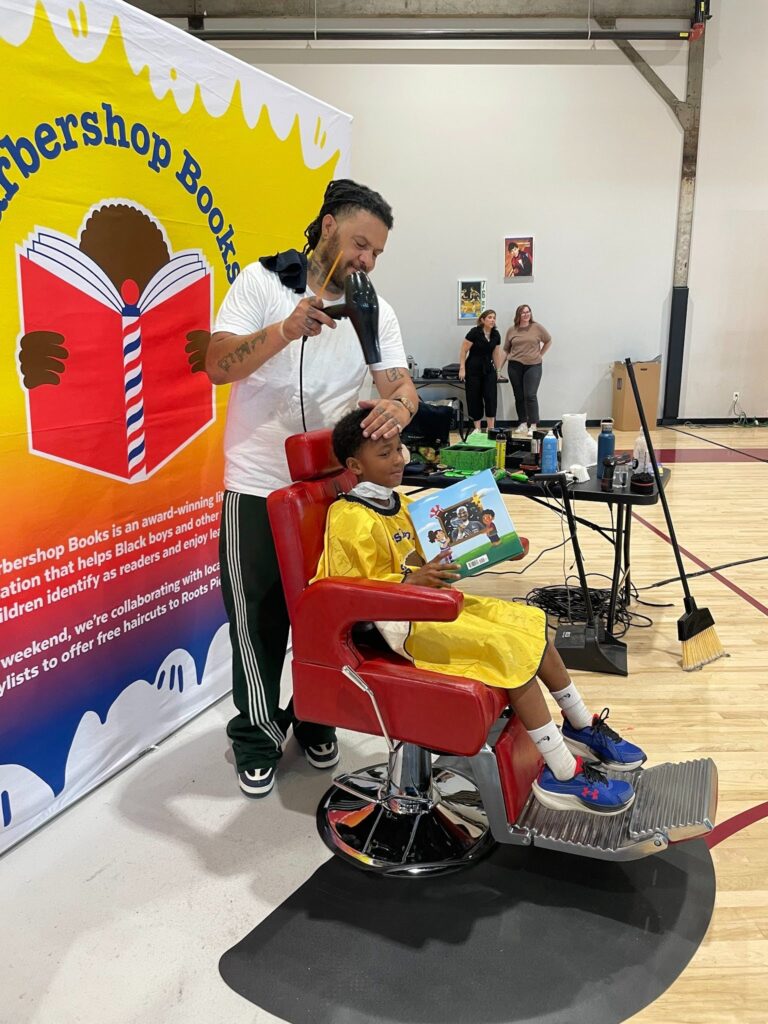
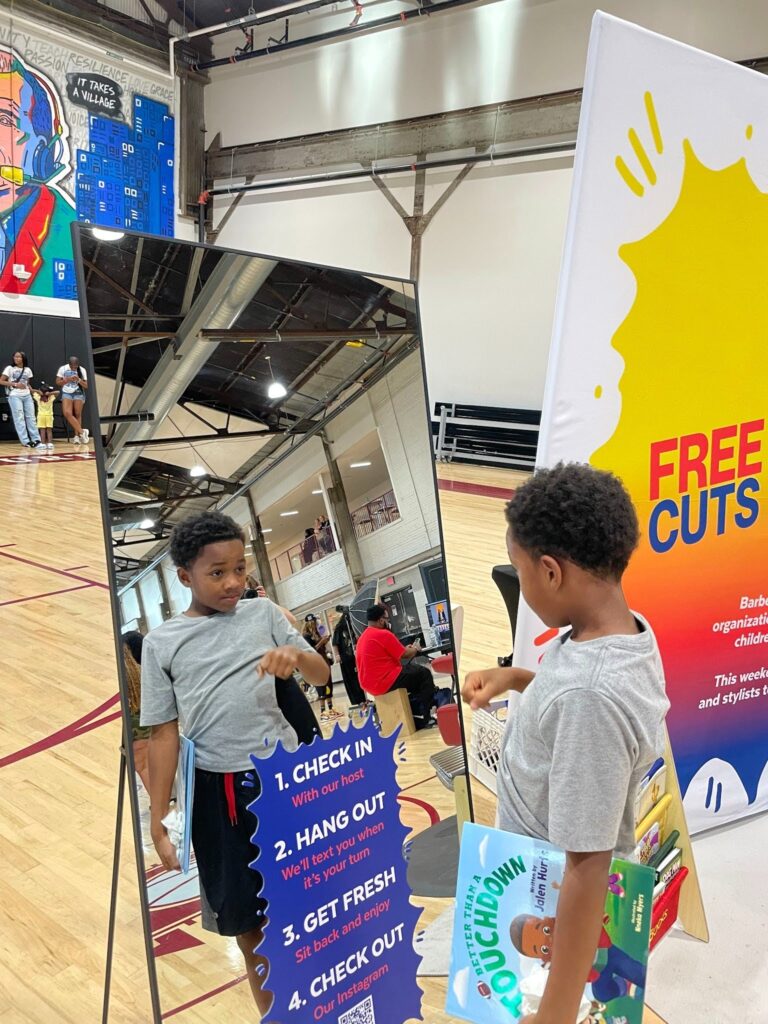
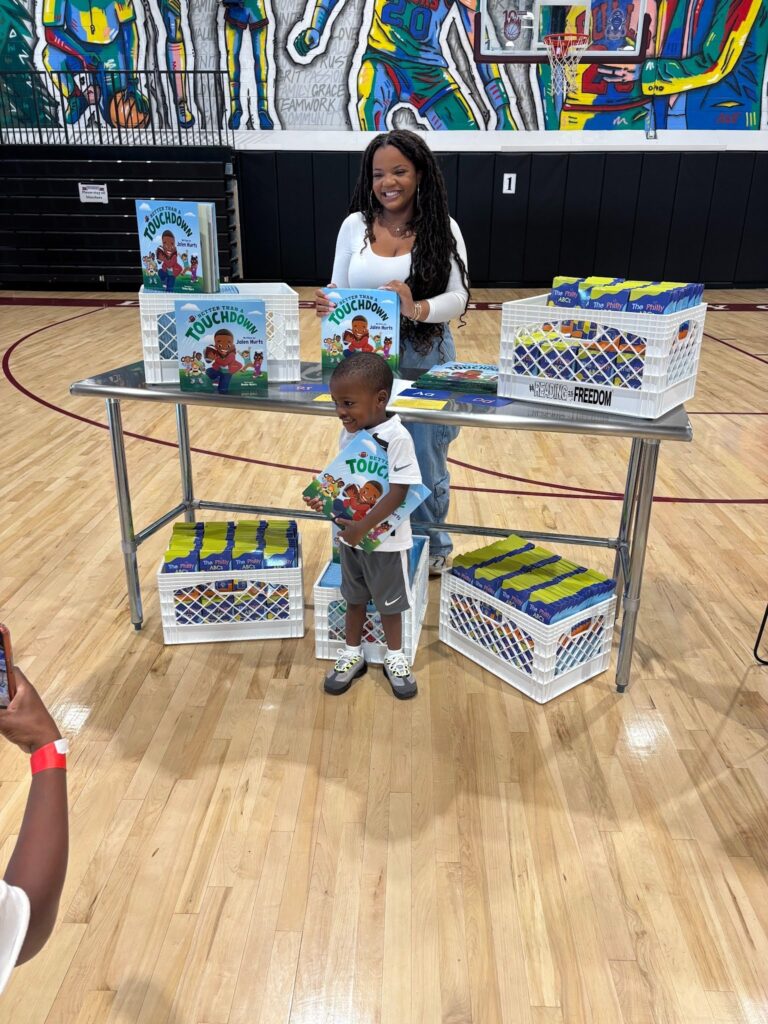
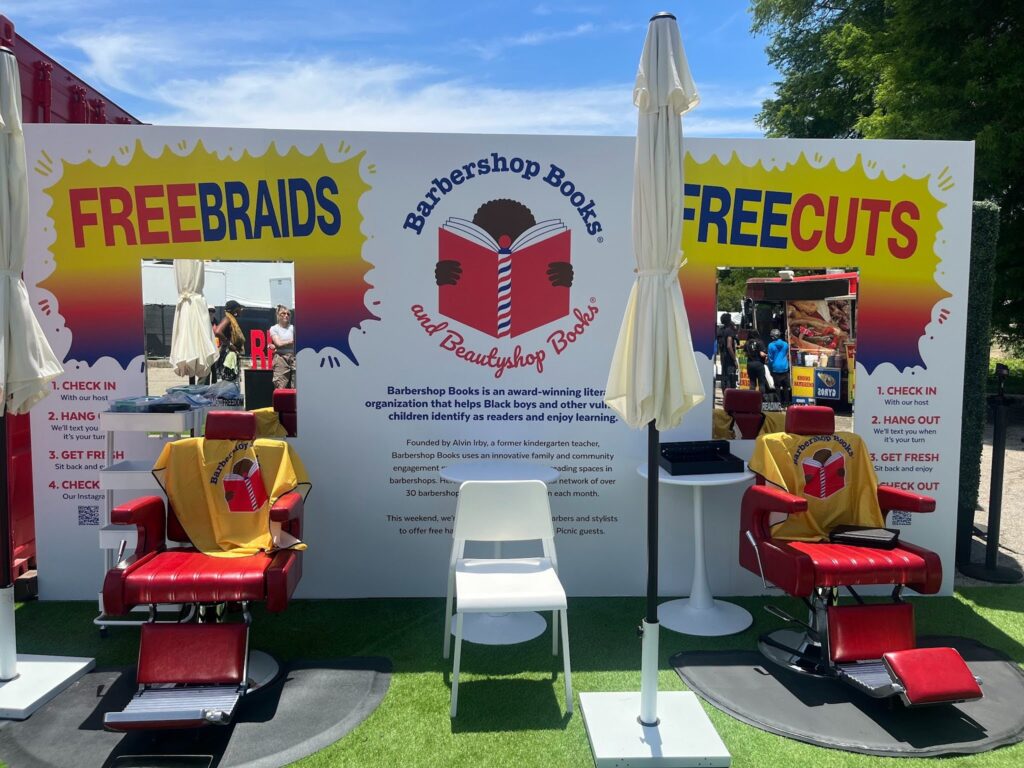
In addition to supporting a national network of more than 200 barbershop partners that host child-friendly reading spaces stocked with titles recommended by Black boys, we also maintain colorful, kid-sized bookshelves in forty neighborhood barbershops across north and west Philadelphia. For the Roots Picnic, we tapped local barbers (Tony Lee, Faheem Alexander, Jeremy Slaughter, and Sherman Harris) from this network of neighborhood shops to offer free haircuts. At the pre-festival Celebrity Basketball Game, we joined members of the Emerson Collective team to distribute free copies of Jalen Hurt’s new children’s book Better Than a Touchdown and The Philly ABCs alphabet card deck, which features fun literacy games for caregivers to play with young children and culturally responsive alphabet cards like “A is for Afro.”
Community members came to The Alan Horwitz “Sixth Man” Center to support competing youth basketball teams and to catch a glimpse of the celebrities who played in the main event and also those who attended like local NBA legend Allen Iverson. As attendees made their way to bleachers surrounding the live games, Philadelphia 76ers staff led basketball drills with young kids on the opposite side of the gym’s large, multi-court facility alongside individuals patiently waiting for a haircut, a picture book, or a stack of alphabet cards. The positive response and engagement with this unexpected but welcomed addition to a sporting event provides a powerful example of how literacy can be tethered to community-rooted gatherings in authentic and culturally meaningful ways.
Day Two: Questlove and illustrator Sean Qualls Show Lots of Literacy love
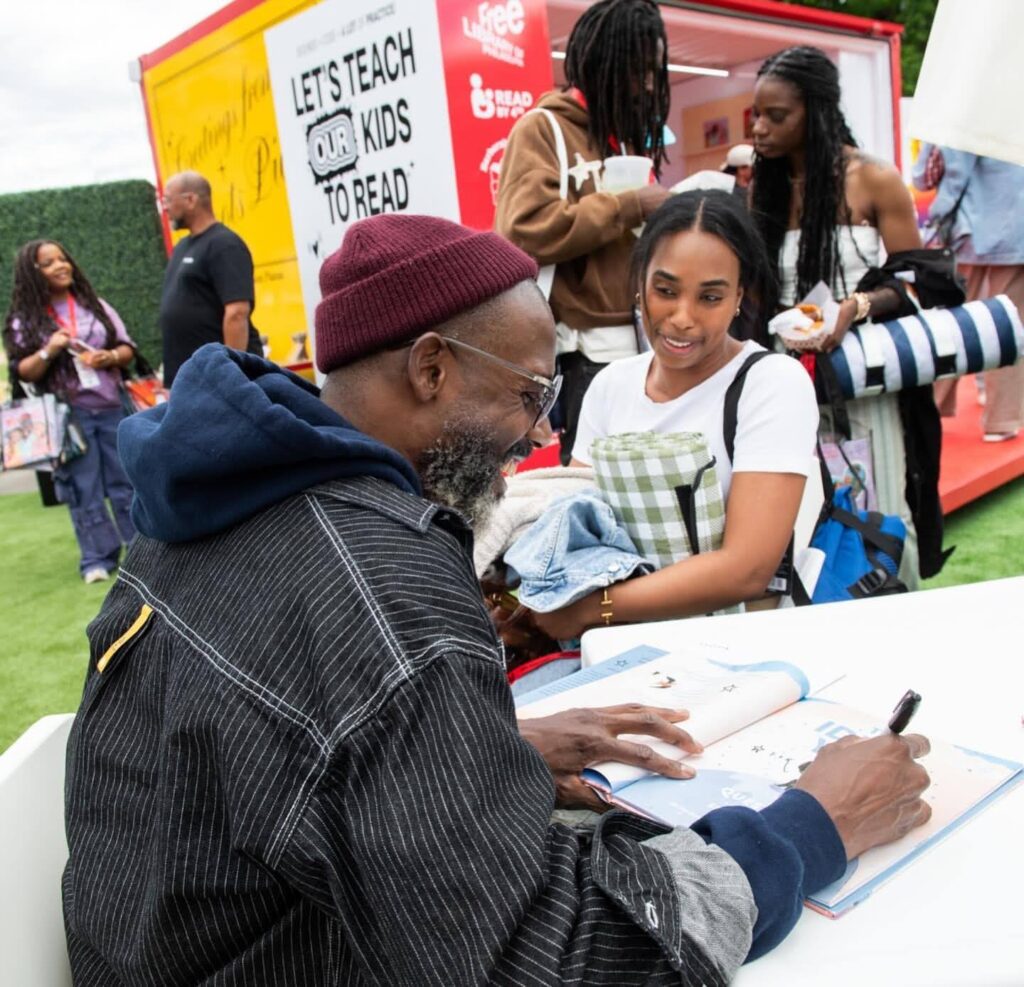
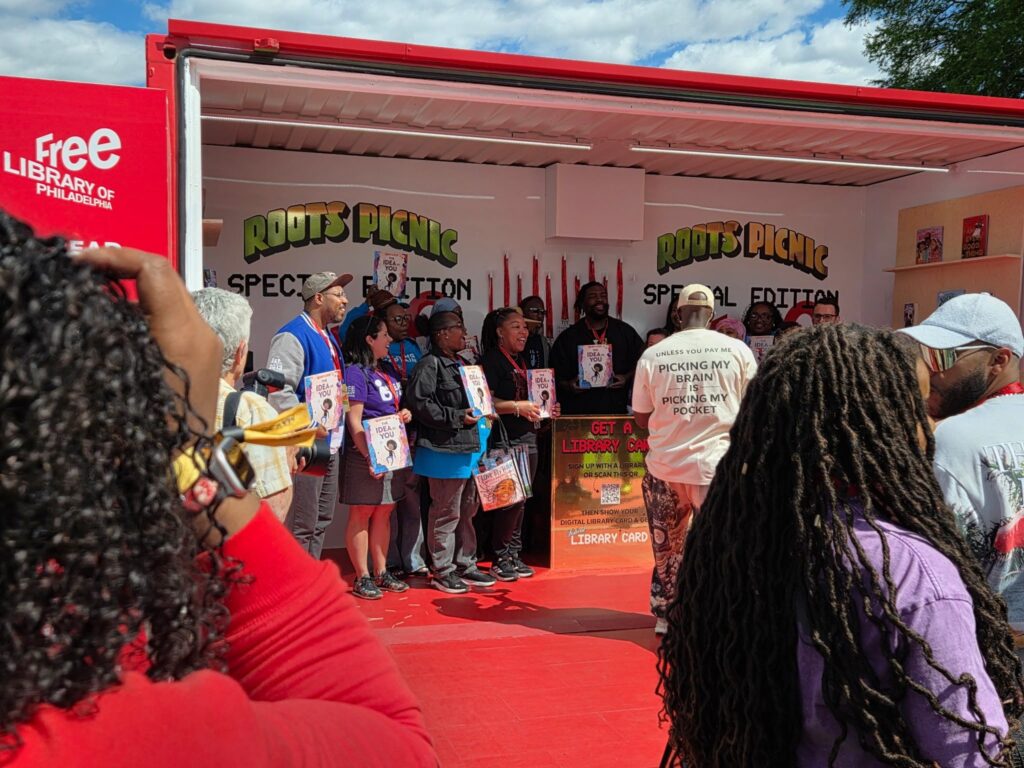
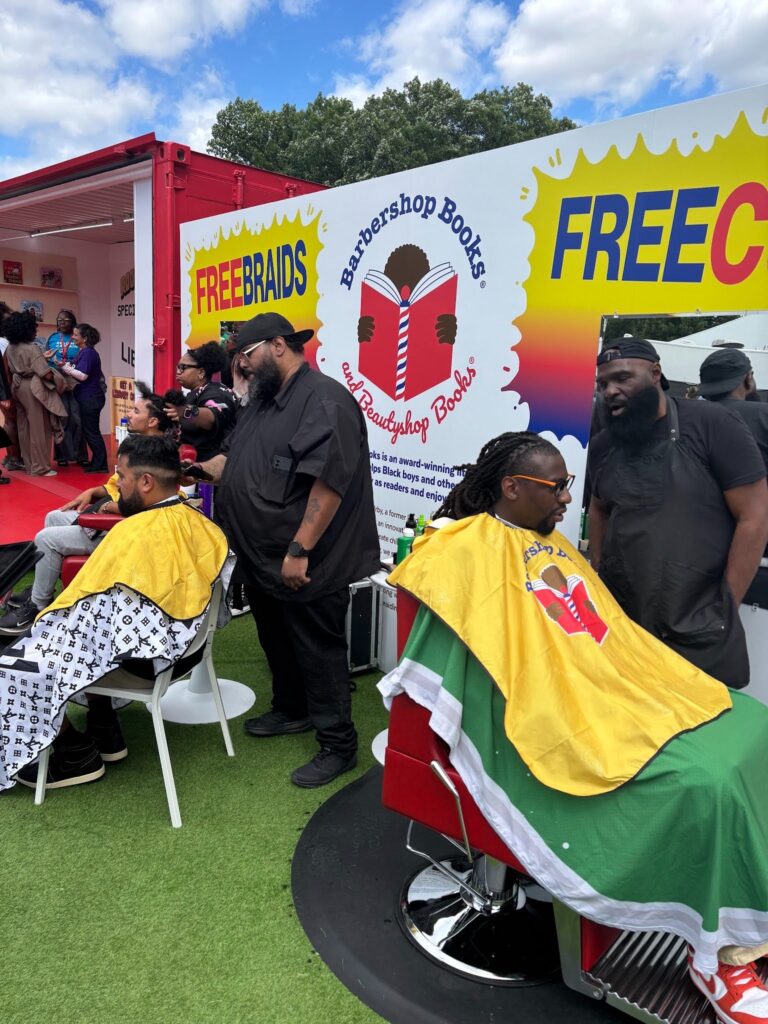
When the waiting lists for free haircuts and braiding surpassed 4 hours, we knew that Barbershop Books’ participation in the Roots Picnic was more than just a value-add. This early literacy-centered activation was aligned to the culture and the community. But the festival lines weren’t forming just for shape ups, cold lemonade, hot fish sandwiches, and cheesesteaks. A long line also formed as festival goers waited to receive a signed copy of Before John Was a Jazz Giant by award-winning illustrator Sean Qualls. A large crowd also formed as people gathered to catch a glimpse of Questlove as the Free Library of Philadelphia Foundation cracked open boxes filled with his new book for kids The Idea in You: A Picture Book, all of which quickly disappeared into the throng of festival goers.
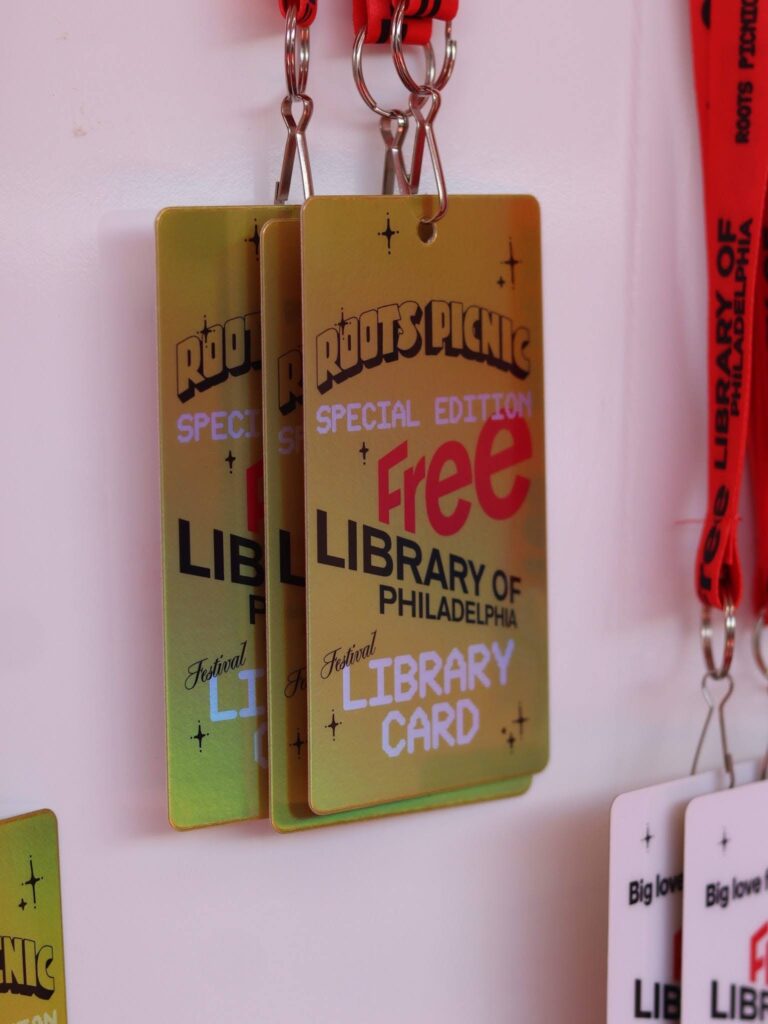
Day Three: Reading is Golden (like the Special Edition Roots Picnic Library Card Lanyards)
Copies of a small, phonics-focused zine aptly named SOUND IT OUT! were distributed by the Free Library of Philadelphia Foundation and the Pennsylvania Literacy Coalition on both days of the festival along with invitations to sign postcards that will be mailed to policy makers to reinforce the importance of increased funding for literacy. This caregiver-friendly resource shared practical information about the science of reading along with strategies adults can use to help children decode written text. If you’re mad you missed out, I got you covered. Here’s a brief summary:
- The SOUND IT OUT! Zine starts by dispelling a common literacy myth: We’ve been telling kids they’re reading when they’ve really been guessing (i.e. look at the picture and think of a word that fits)
- Reading starts in the ear. Written language is a code where letters represent sounds. Learn the sound letters make and the guessing game is over. Like any code, the skill has to be taught — from the sounds up.
- Flow. There’s a moment when sounding out turns into reading. With lots of practice, words become easy, the page disappears, and the story takes over. When kids get into a rhythm, they find their flow.
- Meaning. Reading the words comes first. Understanding what they mean comes next. All of a sudden, any book, any note, any written thing anywhere hits different. The world gets BIGGER.
- What can I do? READ WITH KIDS. Let them see you do it, too. Follow their curiosity. Encourage reading everywhere. At home, at the BARBERSHOP, at the laundromat…,
I have a confession. They didn’t capitalize the word barbershop, but I couldn’t resist. Y’all understand.
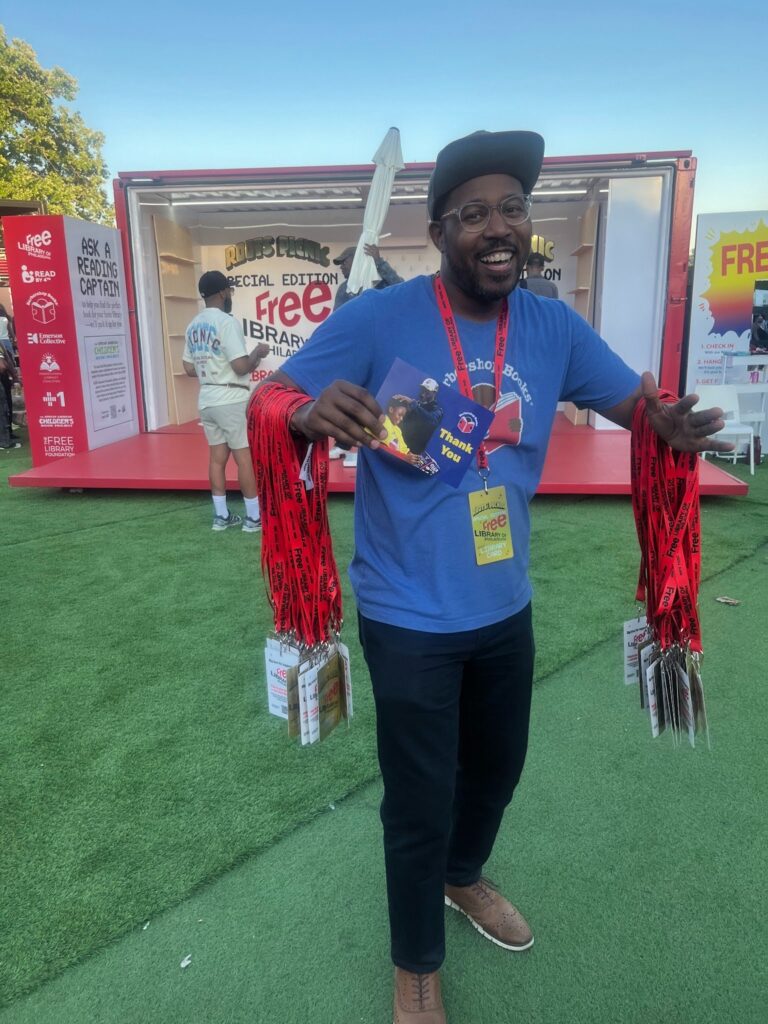
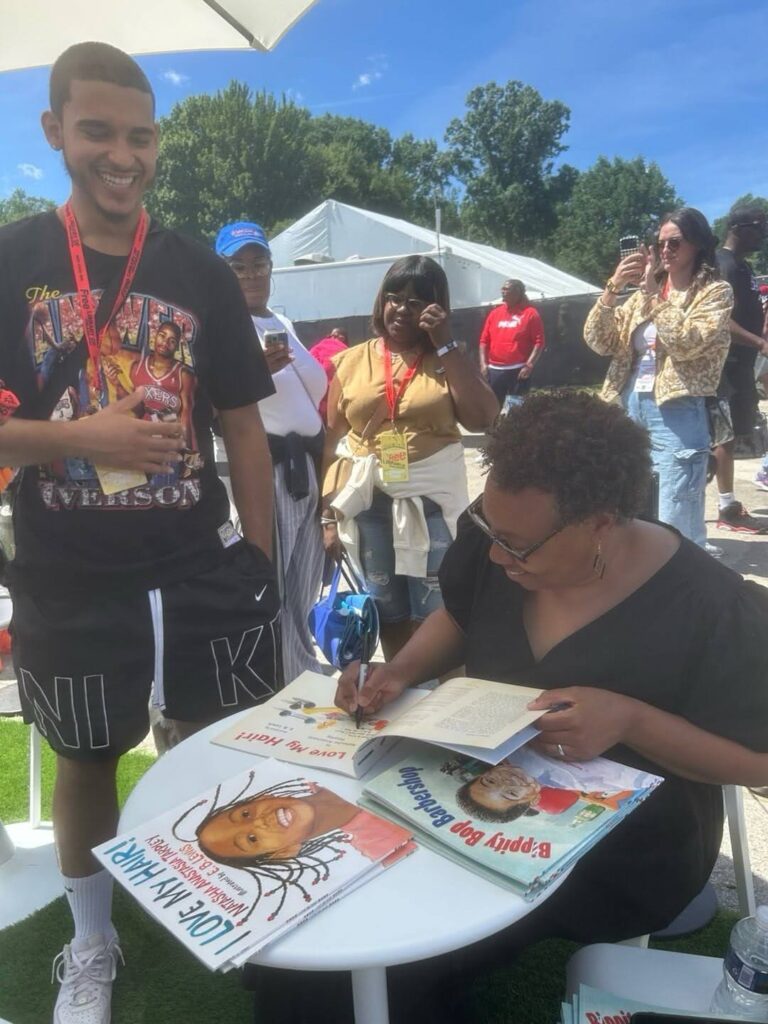
The winding line wrapped around the Reading is Freedom pavilion dissipated after Natasha Tarpley signed the last copies of her popular titles Bippity Bop Barbershop and I love My Hair. I share her sentiments about how it felt participating in this amazing celebration of reading at the 2026 Roots Picnic. Tarpley said, “I felt kinda like a rock star myself. What a joy it was to meet so many readers, especially the young ladies, now in their 20s, who told me how much ILMH meant to them growing up, and who were now gifting the book to the young readers in their families.” As the barbers and stylist finished their final haircuts and braids for the festival, I walked through the never-ending crowd with a handful of the golden, special edition Roots Picnic Free Library of Philadelphia lanyards. Eventually, I paused to ask a sea of beautiful Black faces lounging on picnic blankets if they’d like a lanyard. As hands shot into the air, I thought about Frederick Douglass and how proud our ancestors would be witnessing reading receiving rock star treatment at a music festival. Not one to be deterred by a challenge, I returned to the picnic blankets with each of my arms covered with golden symbols of the activation’s theme: Reading is Freedom.
Want more stories like this? Subscribe to our newsletter for the latest from Barbershop Books, including program updates, reading resources, and ways to get involved.